OrthodonticsChildren, teens and adults

Orthodontics

From guiding the teeth and jaws to develop normally from age 4, to finely aligning adult teeth with clear aligners or fixed braces — choose the treatment that suits your age and needs.

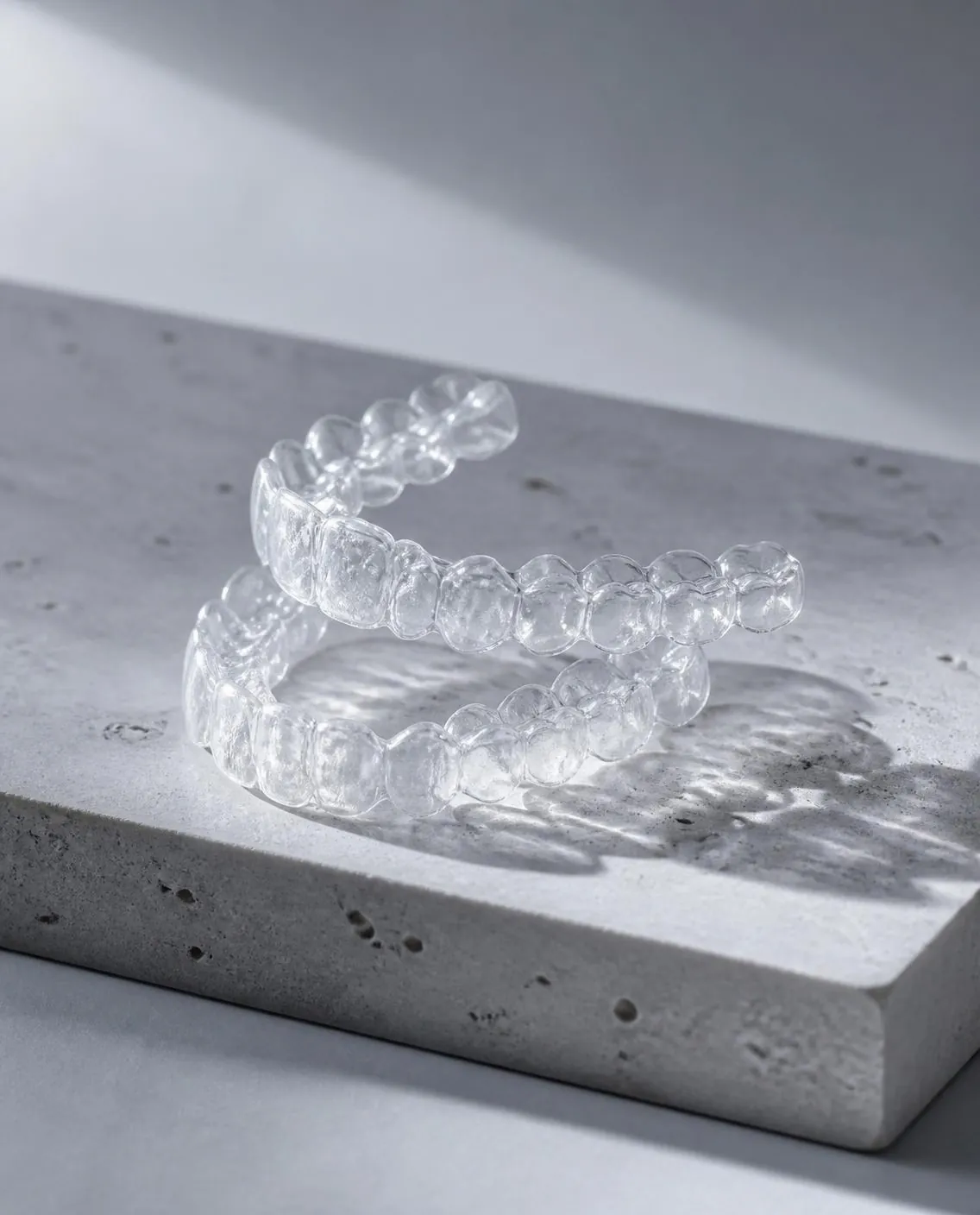
Clear aligners resting on stone
Diagnosis & treatment plan
HK$1,500
Diagnosis includes
CBCT · Cephalometric X-ray · 3D simulation
Systems
Invisalign · Spark · Trio Clear
Comprehensive treatment
From HK$26,000
Orthodontic diagnosis & treatment planning

Understand the face first,
then decide how to move the teeth

Good orthodontics is not just straight teeth — it is a harmonious face. Before any treatment, the dentist carries out a full orthodontic diagnosis and explains your facial structure, the cause of the problem, the treatment options, how each works, and their pros and cons.

Orthodontic diagnosis & treatment planHK$1,500Includes CBCT, lateral cephalometric X-ray and 3D treatment simulation
  1. 01

    Facial structure analysis

    Assessing face shape, profile, lip support and the relationship between the upper and lower jaws.

  2. 02

    Extra-oral and intra-oral examination

    Checking the bite, arch form, gum health, tongue position, breathing and oral habits.

  3. 03

    CBCT and lateral cephalometric X-ray

    Analysing the roots, bones and the 3D position of the jaws to understand the root cause of the problem.

  4. 04

    3D treatment simulation

    An intraoral scan builds a digital model to simulate tooth movement and the final result.

  5. 05

    Treatment options, pros and cons

    Explaining the options, the treatment mechanics (such as expansion or guiding the lower jaw forward) and the strengths and limits of each.

Orthodontics in three stages

Make the most of each stage of growth: the earlier a bite problem is addressed, the simpler later treatment tends to be.

Suitable age4 – 9 years

Myofunctional appliance肌功能矯正裝置

In the early stages of tooth and jaw development, it helps the tongue rest in the right position and reduces habits such as mouth breathing due to nasal allergy, guiding normal growth of the jaws and face.

Straighter teeth that can simplify or even avoid later orthodontic treatment, lowering the chance of extractions when older.

Treatment
About a year
Wear
Nights only
FeeHK$5,500
Suitable age10 – 14 years

Early jaw orthopaedics早期顎骨發育矯正

While the jaws are still growing, external forces guide bone growth to treat a narrow arch or a jaw mismatch such as protruding teeth or an underbite.

Uses the growth spurt to correct bite problems early, stops teeth developing in the wrong direction, and can also help breathing problems such as nasal allergy.

Treatment
About a year
Fee
Depends on the treatment
FeeHK$13,000 – 15,000
Suitable age13 and above

Comprehensive orthodontics全面矯齒療程

A lateral cephalometric X-ray analyses the relationship between skull and teeth to assess the effect on face and smile, then 3D simulation with CBCT builds a personalised plan.

Clear aligners or fixed braces, with extractions, mini-screws or elastics when needed, finely align the teeth to improve appearance and chewing.

Simple cases
From HK$26,000
Complex cases
From HK$42,000
FeeFrom HK$26,000

How each stage works

Scroll to see the changes myofunctional therapy, jaw orthopaedics and comprehensive orthodontics bring about inside the mouth.

01 · Age 4 – 9

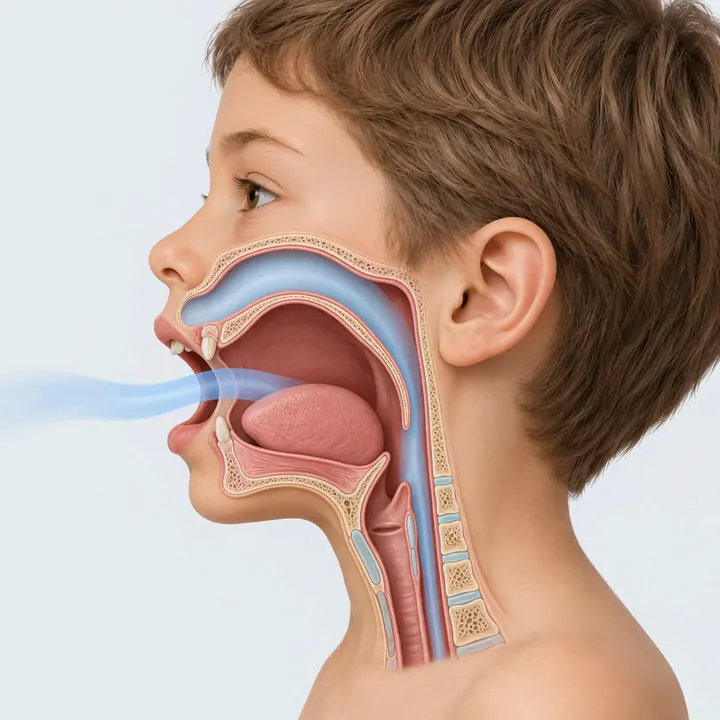
Myofunctional therapy: correct tongue posture and nasal breathing

  1. 01 · Mouth breathing

    Mouth breathing, low tongue

    With nasal allergy or habitual mouth breathing, the tongue drops to the floor of the mouth and no longer supports the upper jaw, so the upper jaw and arch develop narrow and the teeth crowd.

  2. 02 · Myofunctional appliance

    Myofunctional appliance

    A soft appliance worn at night guides the tongue up against the palate and the lips closed, trains nasal breathing and reduces habits such as lip biting and tongue thrusting.

  3. 03 · Nasal breathing

    Nasal breathing, the upper jaw widens naturally

    With the tongue back in place, it supports the upper jaw from the inside; with growth, the arch widens naturally, making room for the permanent teeth and lowering the chance of later malocclusion.

02 · Age 10 – 14

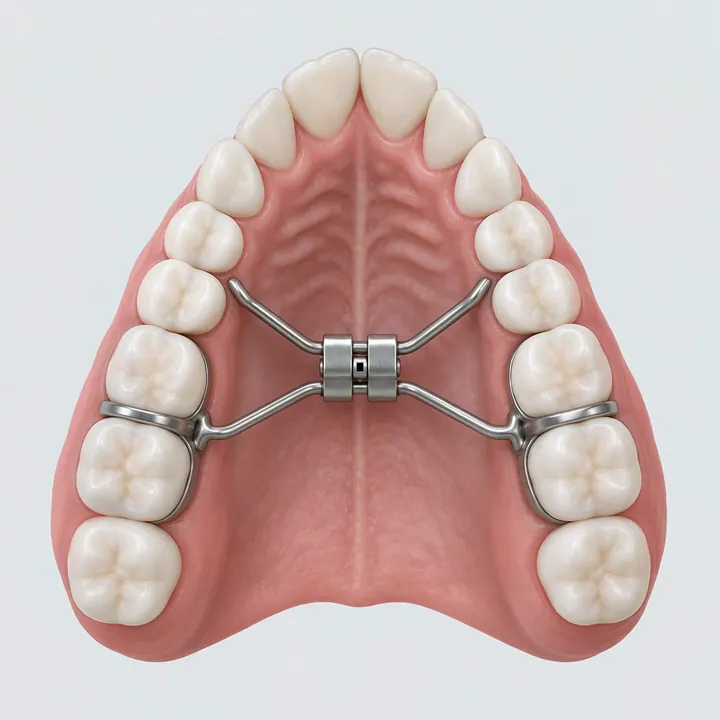
Early jaw orthopaedics: palatal expander

Where the lower jaw is retruded, a functional appliance can guide it forward (see Mandibular adaptive treatment below).

  1. 01 · Maxillary expander

    Palatal expander

    For a narrow upper arch or crossbite, an expander is fitted in the palate, with a central screw joining the left and right teeth.

  2. 02 · Expansion

    Turning the screw

    The screw is turned regularly as instructed, gently separating the two halves of the upper jaw along the mid-palatal suture.

  3. 03 · New bone

    New bone fills in · The arch widens

    New bone fills the suture as the arch widens, making room for the teeth and helping nasal breathing.

03 · Age 13 and above

Comprehensive orthodontics: how teeth move

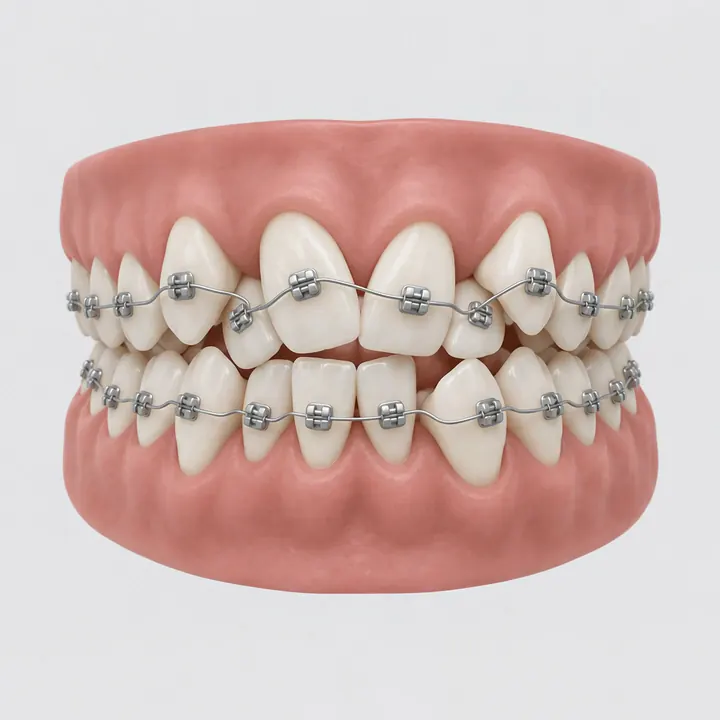
  1. 01 · Crowding

    Crowding

    Without enough space, teeth rotate, overlap or erupt outside the arch, affecting appearance, bite and cleaning.

  2. 02 · Braces / aligners

    Brackets and wires, or aligners, apply gentle force

    Braces use brackets and wires, and aligners use custom trays, to apply light, continuous force to each tooth.

  3. 03 · Tooth movement

    Teeth move step by step into place

    Following the simulated plan, teeth move step by step until rotations and overlaps are corrected and the teeth are aligned.

  4. 04 · Bone remodelling

    Bone remodelling

    As a tooth moves, bone is resorbed on the pressure side and new bone forms on the tension side, letting the tooth move through the bone; a retainer keeps the result stable afterwards.

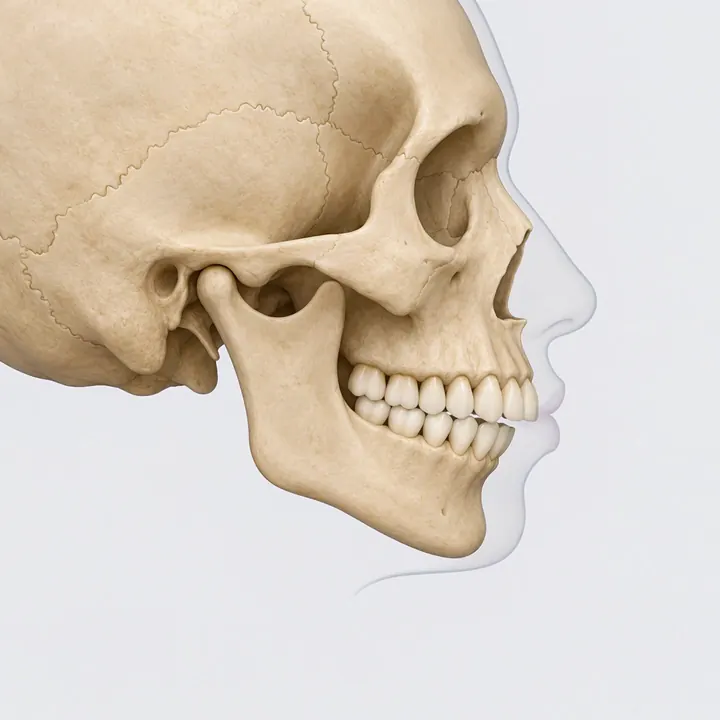
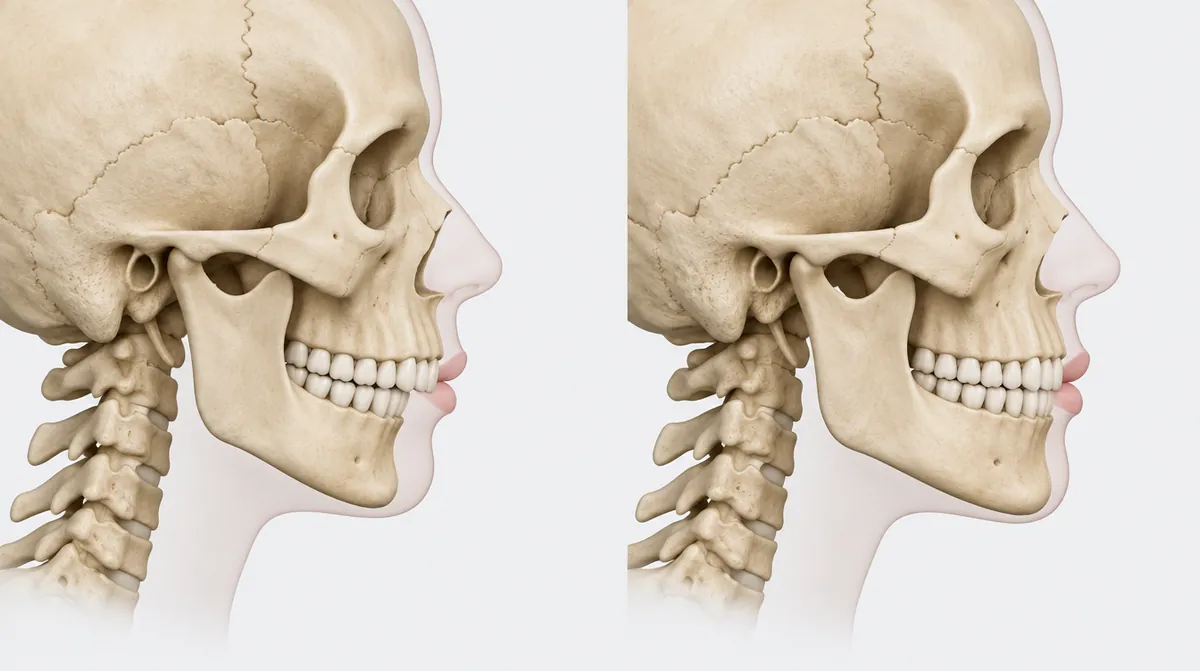
Retruded chin? Guide the lower jaw forward instead of pushing the upper teeth back

In many Class II cases (protruding upper teeth, receding chin), the real problem is a lower jaw that sits too far back.

Conventional treatment

Moving the upper teeth back

The upper teeth are pushed back by distalising the molars or extracting teeth so the teeth line up — but the chin stays where it is, the profile improves little, and lip support may be reduced.

Mandibular adaptive treatment

Guiding the lower jaw forward

A bite jump guides the lower jaw into a more forward position: a more defined chin and a more harmonious profile while keeping lip support, and bringing the jaw forward also helps open the airway.

Results depend on several factors, including age and growth potential, the condition of the jaw joints, skeletal structure and how well the appliance is worn. The dentist will assess whether it suits you at the orthodontic diagnosis and explain the possible limitations clearly.

Comparison: left, conventional treatment moves the upper teeth back and the chin stays receded; right, mandibular adaptive treatment brings the lower jaw forward for a more defined chin
Conventional: upper teeth moved back, chin still recedingMandibular adaptive: lower jaw forward, a more balanced profile
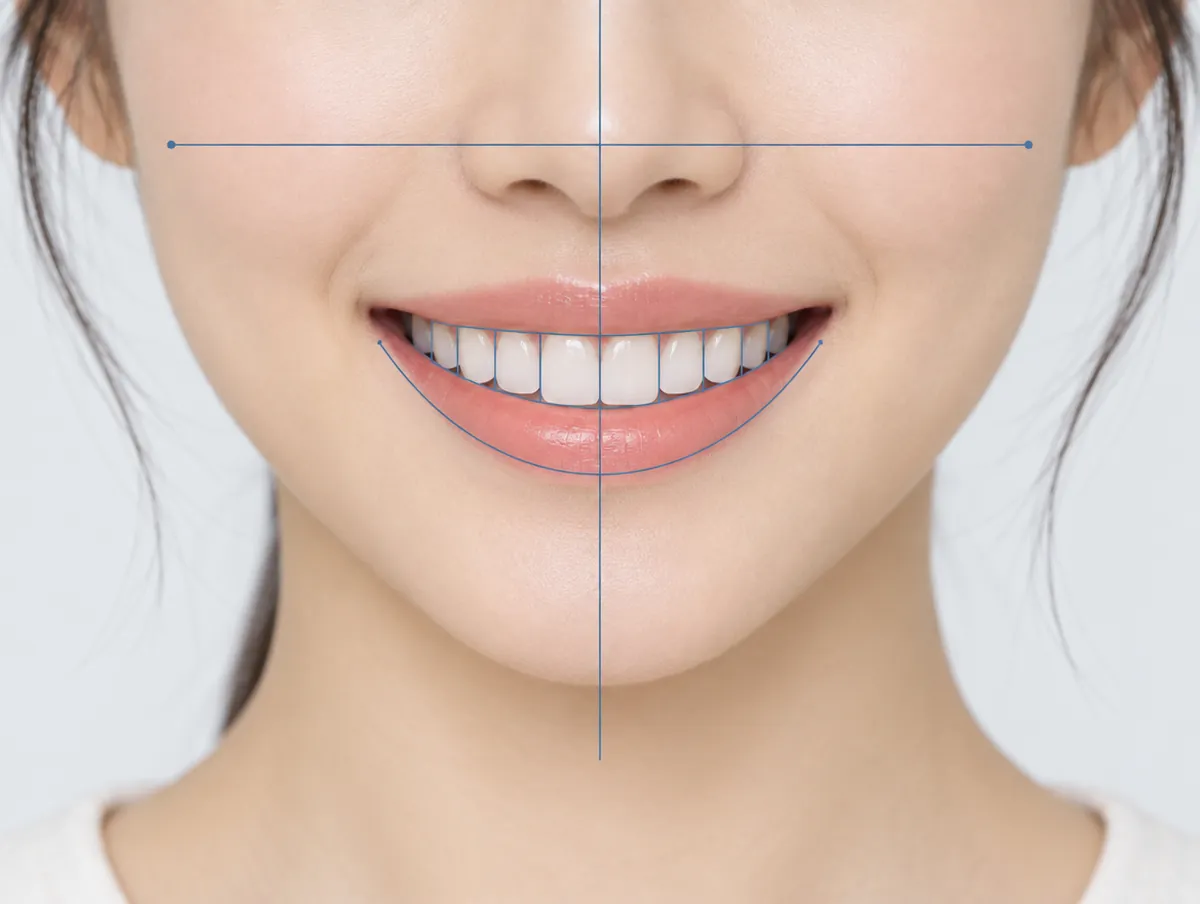
Digital smile design: planning the teeth from the facial midline, smile curve and front-tooth proportions
Digital smile design

Designing the smile around the face

When aligning teeth, we prioritise front-tooth shape, thickness and length in proportion to the face, the smile curve and soft-tissue support, and preview the result with 3D simulation.

  • Tooth positions designed from the facial midline, smile curve and front-tooth proportions
  • Fewer extraction plans — keeping teeth to support the soft tissues and fullness of the face
  • Better breathing and facial support, helping keep a more youthful face over time
  • 3D treatment simulation to preview every stage of tooth movement before starting

A personalised plan built on data and simulation

  1. 1

    Lateral cephalometric analysis

    Analyses the relationship between skull and teeth to assess the effect on face and smile.

  2. 2

    CBCT + 3D simulation

    Combined with CBCT to simulate every tooth's movement and the final result.

  3. 3

    A personalised plan

    Extractions, mini-screws or elastics as needed, with clear aligners or fixed braces.

  4. 4

    Regular reviews

    Your dentist follows progress and makes adjustments throughout until the teeth are aligned.

Systems we offer

  • Invisalign
  • Spark clear aligners
  • Trio Clear aligners
  • Fixed bracesMetal · Ceramic · Lingual

Aligner material

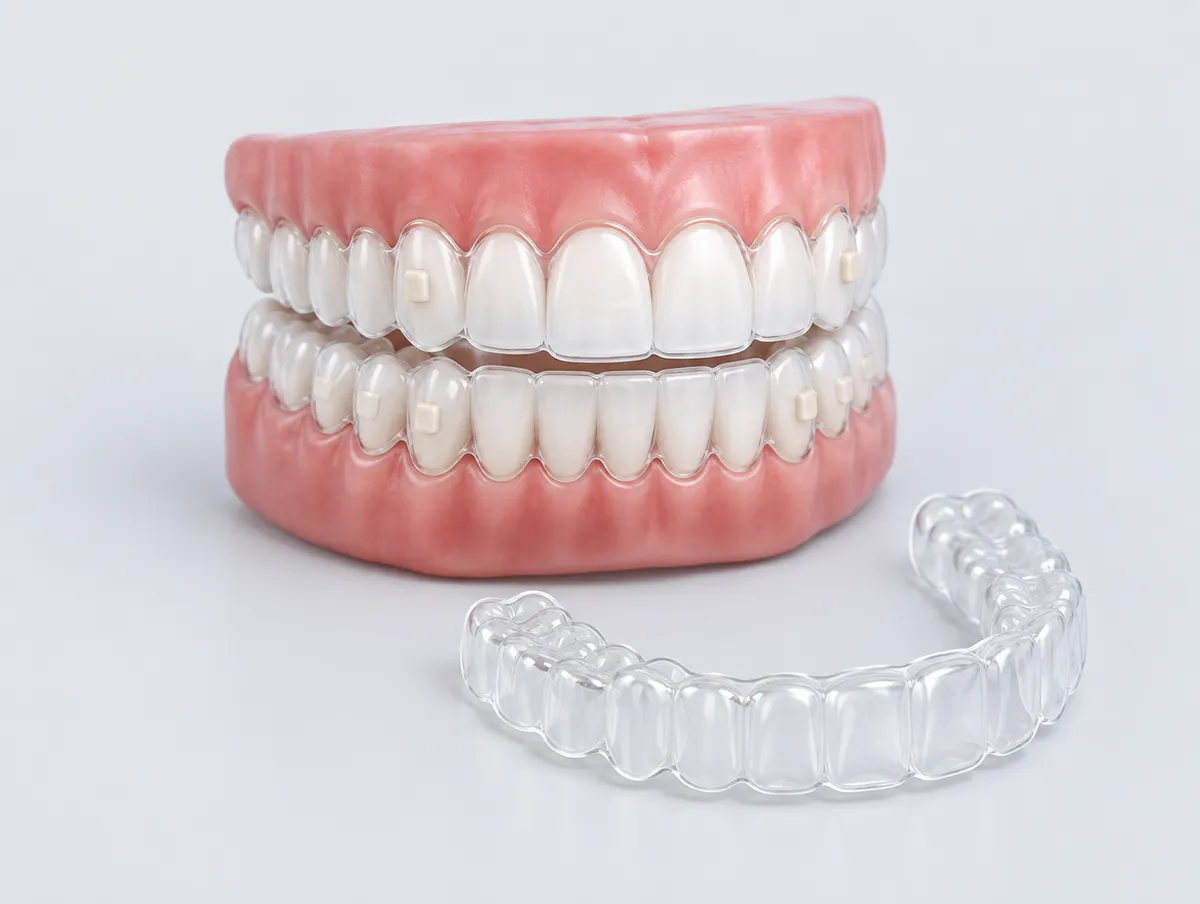
Multi-layer material: a tough outer layer that lasts and resists staining, and an elastic inner layer for comfort.

Discreet

Clear trays with tooth-coloured attachments keep the effect on your appearance to a minimum.

Comfortable and removable

A removable appliance with no fixed wires — take it out to eat and clean.

Followed by your dentist

Your dentist designs the treatment, follows progress and makes any adjustments needed.

Bite problems orthodontics can improve

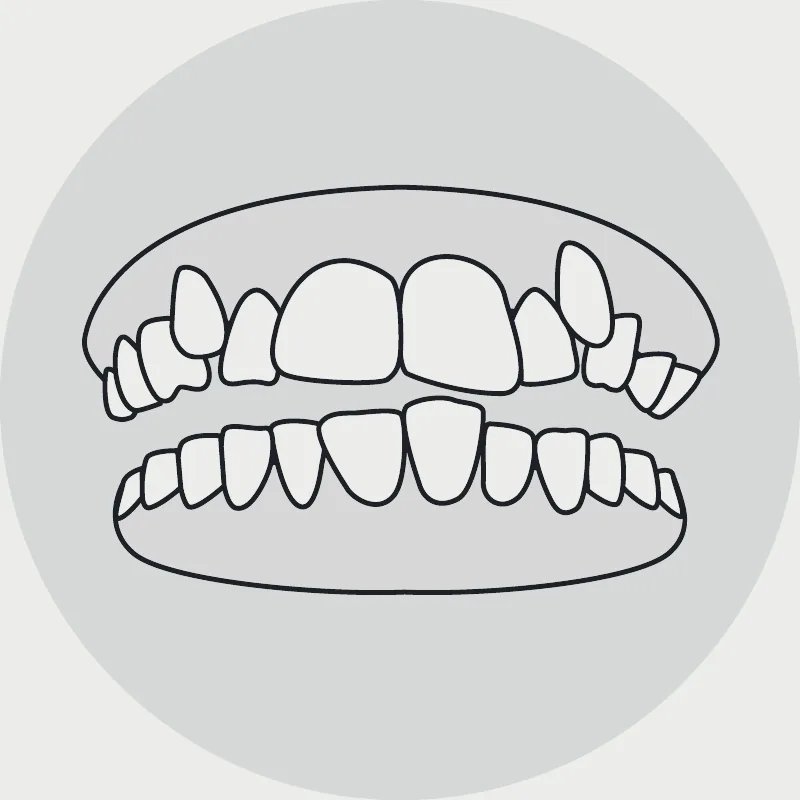
Illustration of crowding

Crowding牙齒擁擠

First find the cause of the crowding: a narrow arch can be expanded to gain space; molar distalisation or extraction is considered only when necessary.

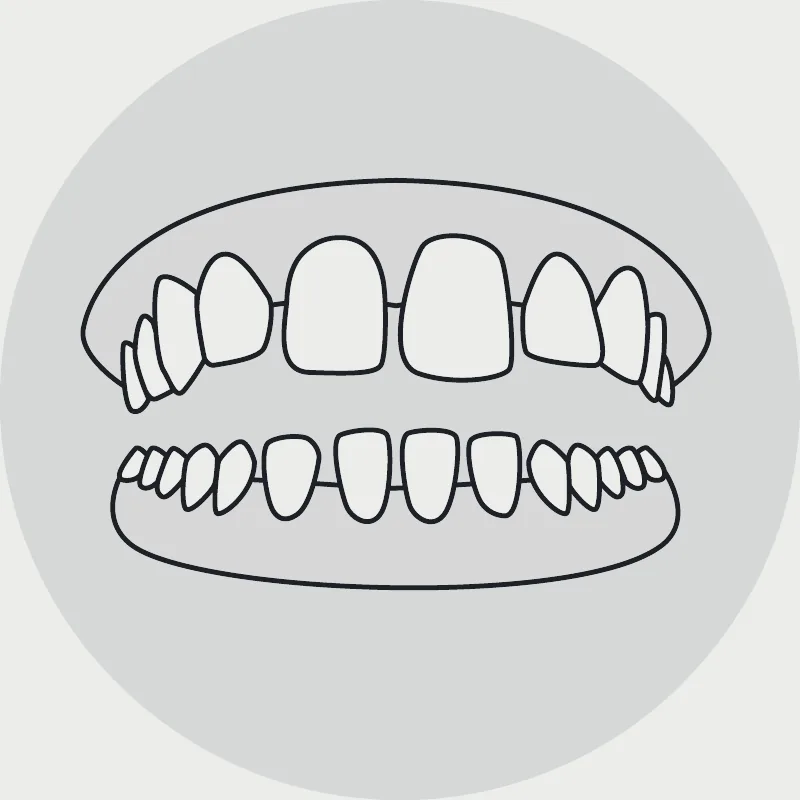
Illustration of spacing

Spacing牙縫過疏

Small gaps can be closed directly; larger ones may be redistributed and combined with restorations.

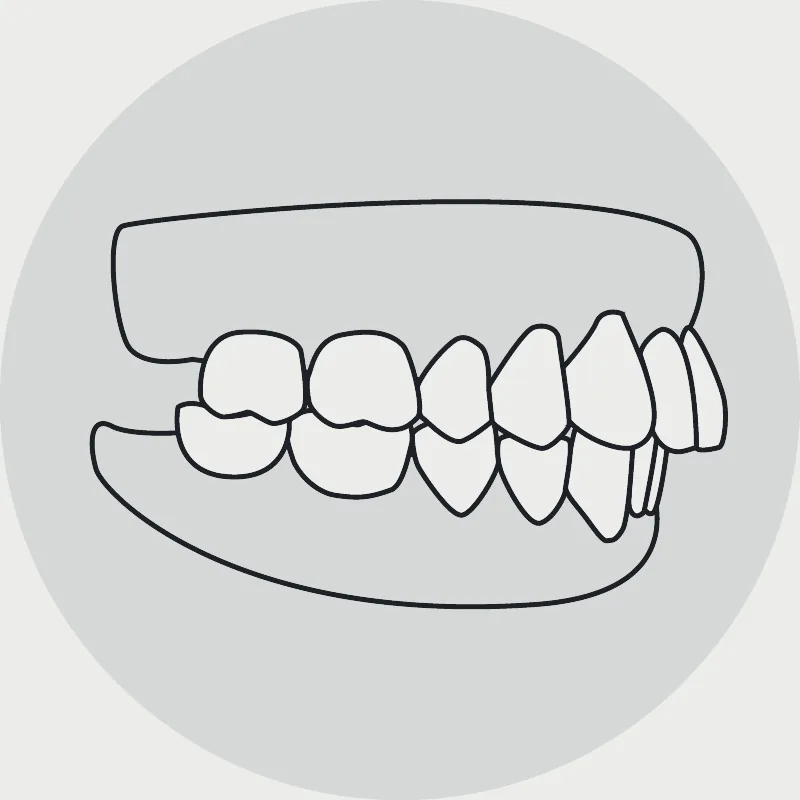
Illustration of a Class II bite (protruding upper teeth)

Class II bite (protruding upper teeth)哨牙

With a retruded chin, mandibular adaptive treatment can guide the lower jaw forward; severe skeletal differences may need orthognathic surgery.

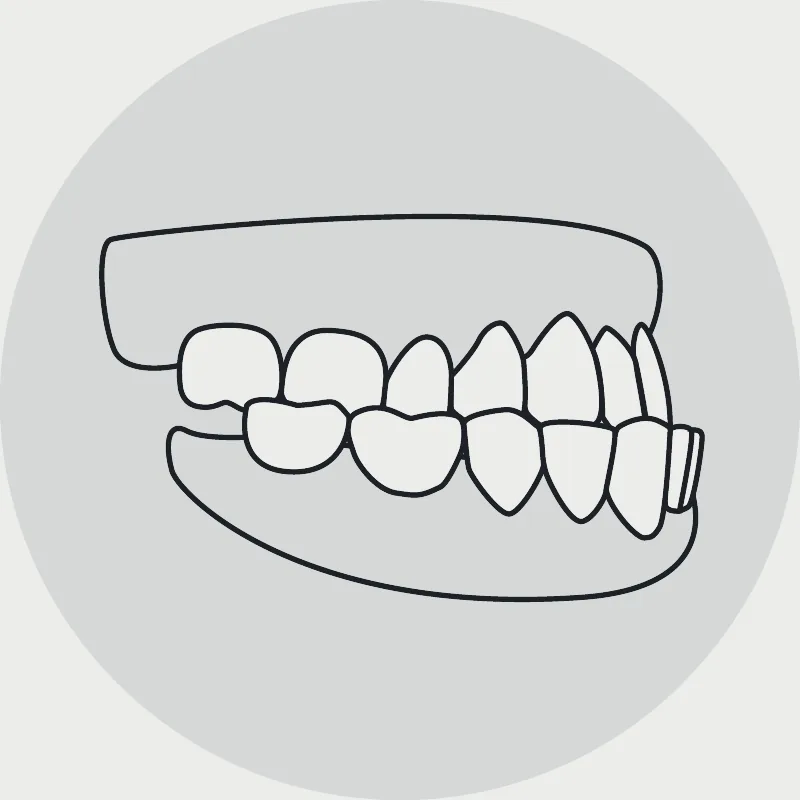
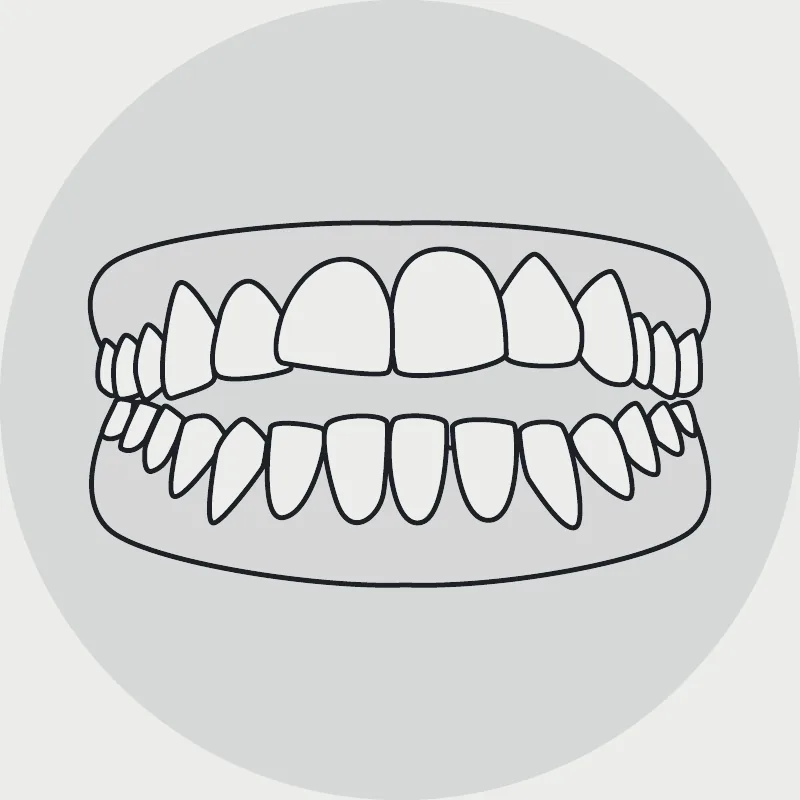
Illustration of a Class III bite (underbite)

Class III bite (underbite)倒及牙

Simple cases use elastics; in growing children the jaws can be guided early; severe skeletal cases need orthognathic surgery.

Illustration of an open bite

Open bite開咬

Habit-related cases need the habit stopped first; simple cases extrude the front teeth, severe ones may need mini-screws to intrude the back teeth.

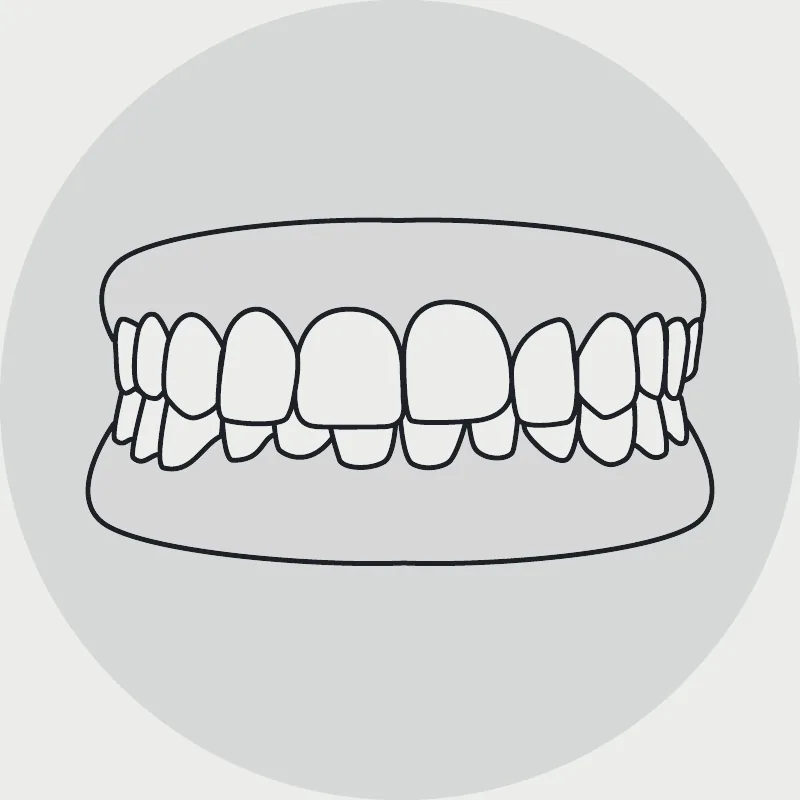
Illustration of a deep bite

Deep bite深咬

Often occurs with a Class II bite; simple cases intrude the front teeth, severe ones also extrude the back teeth.

Clear aligners and fixed braces

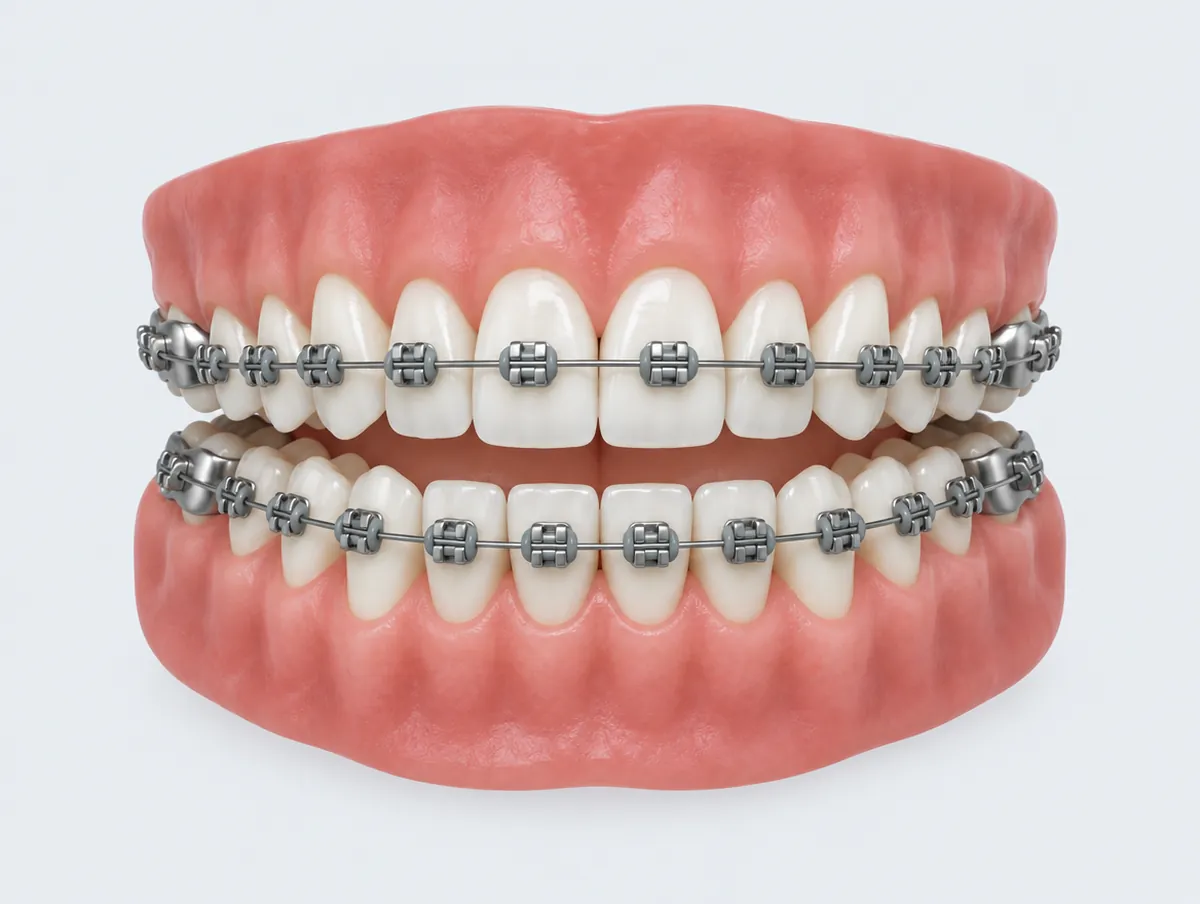
Illustration of fixed braces

Fixed braces傳統鋼箍

  • Fixed to the teeth, so they don't rely on the patient's discipline
  • Greater control of root movement, suiting more complex extraction cases
  • Wires and brackets are more visible
  • Harder to clean, and may rub the mouth at first

Orthodontics FAQ

Still have questions? Call or WhatsApp any of our clinics.

What is the best age for a child to start orthodontic treatment?

It depends on the problem: at 4 – 9, when teeth and jaws are starting to develop, a myofunctional appliance can guide normal growth; at 10 – 14, growth can be used for early jaw orthopaedics; from 13, comprehensive orthodontic treatment is possible.

Does a myofunctional appliance need to be worn all day?

No. Treatment takes about a year and the appliance is worn only at night. The fee is HK$5,500.

What are the benefits of early treatment?

Guiding the jaws while they are still growing can improve a narrow arch, protruding teeth or an underbite, helps facial development, simplifies later comprehensive treatment and can even reduce the need for extractions when older.

How much does comprehensive orthodontic treatment cost?

Simple cases start from HK$26,000 and complex cases from HK$42,000. We recommend an orthodontic diagnosis and treatment plan first (HK$1,500, including CBCT, lateral cephalometric X-ray and 3D treatment simulation).

Should I choose clear aligners or fixed braces?

Clear aligners look discreet and can be removed for cleaning, but need disciplined wear; fixed braces give more control over root movement and suit complex extraction cases better. The dentist will advise based on your situation.

Which aligner brands do you offer?

We offer Invisalign, Spark and Trio Clear clear aligner systems.

Contact us

Book a visit

We are open on Saturdays and Sundays (closed on public holidays), and you can enquire or arrange an emergency appointment by WhatsApp. Fill in the form and press Send — WhatsApp opens with your message ready, and our staff will reply as soon as possible.

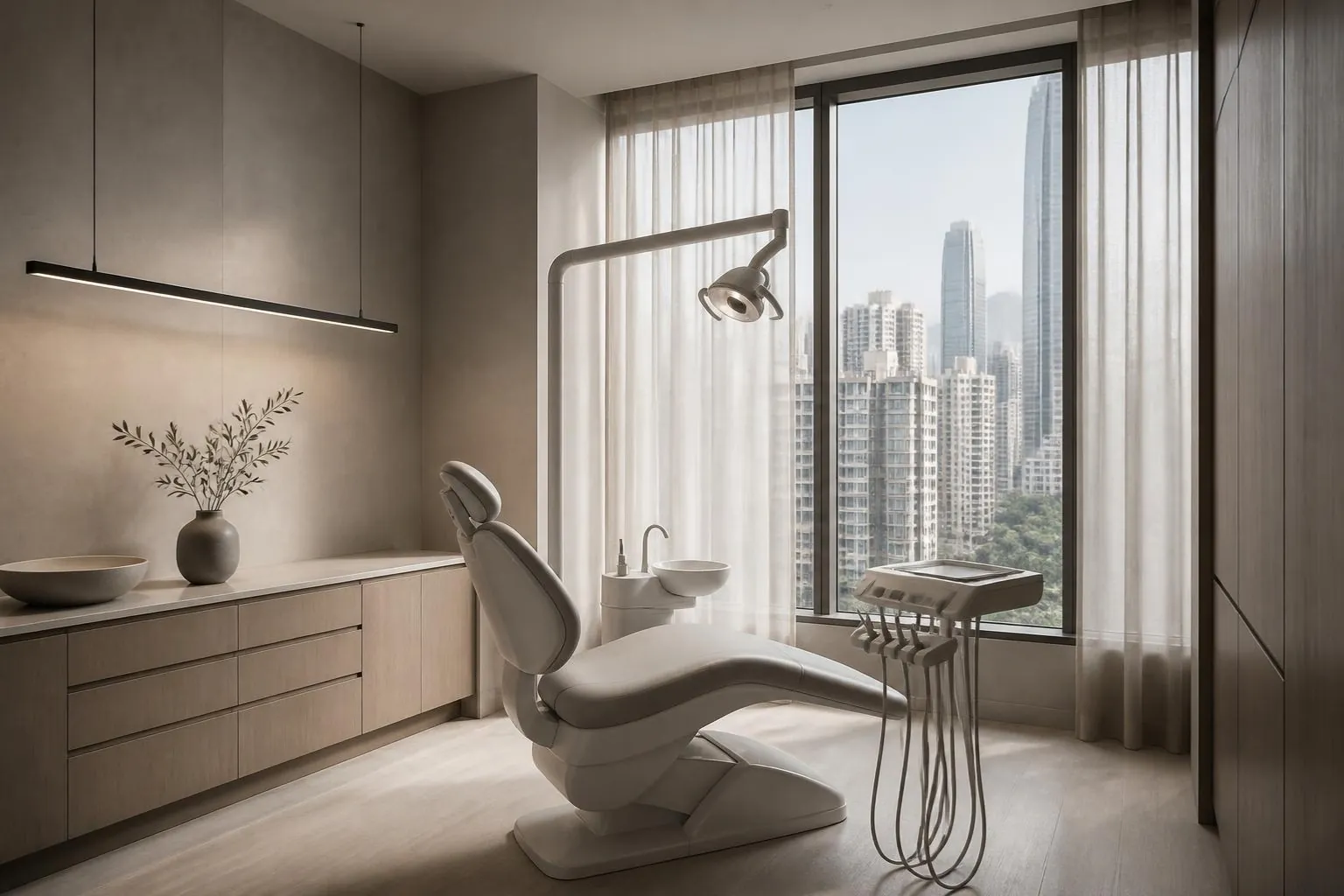
A clean, spacious treatment room

Address

CentralRoom 501, Peter Building, 58-62 Queen's Road Central

Taikoo ShingShop P-411, Ming Kung Mansion, 22 Taikoo Shing Road

Shau Kei WanShop L1, G/F, Fung Yuen Building, 388A Shau Kei Wan Road

Opening hours

Monday to Saturday
10:00 – 19:00

Sunday
10:30 – 17:30

Public holidays
Closed

At all clinics

Good to know

To change an appointment, please contact the clinic at least 48 hours in advance. Check-ups and consultations alone are welcome.